A Comprehensive Guide to Wall Preparation and Finishing
When you embark on a home renovation project, the installation of drywall is a critical stage that paves the way for new walls. Understanding what this process entails can help you prepare adequately and ensure a smooth outcome. Whether you’re renovating a single room or building an entire house, knowing the steps involved in drywall work will give you peace of mind. This guide delves into all the key aspects so you can make informed decisions as you progress through your project.
The Importance of Planning Your Project
Before diving into the drywall installation process, it’s essential to plan out your project thoroughly. Proper planning involves measuring wall dimensions accurately, calculating materials needed, and setting a realistic budget. Consider whether you’ll tackle the task yourself or hire professionals. A detailed plan ensures that you have all necessary tools and materials at hand, preventing delays and additional costs.
Prepping the Site for Effective Results
Site preparation is a crucial step before any drywall installation. Start by clearing out furniture and covering floors with protective sheets. Ensure that electrical outlets are turned off and exposed wiring is safely secured. This not only keeps the area safe but also provides a clean workspace for efficient installation.
Securing Framework Before Starting the Installation
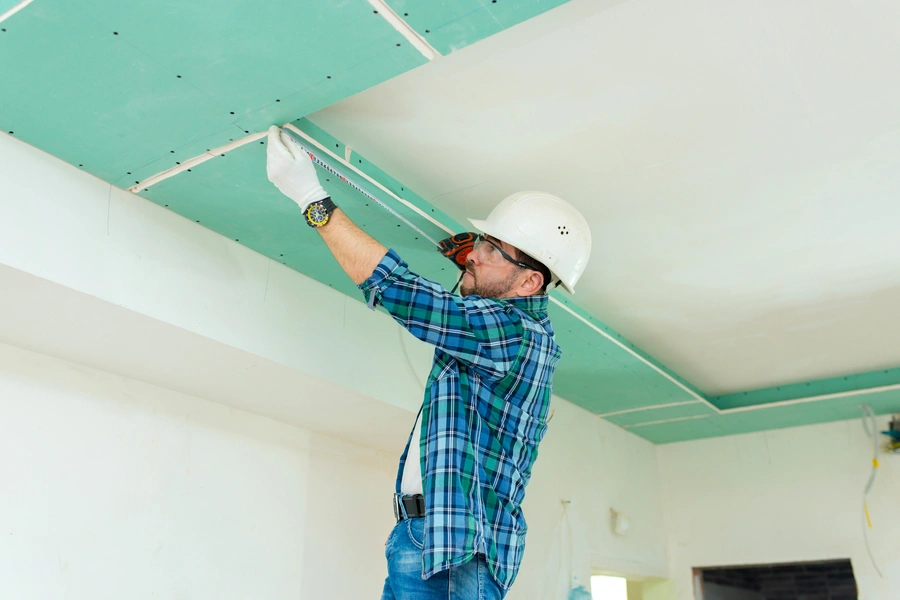
Once the site is prepped, focus on securing the framework where the drywall will be installed. Check that all studs are level and firmly in place. If you’re adding insulation, now is the time to do it. A sturdy framework guarantees that your drywall installation will be stable and long-lasting.
Applying Sheets for a Smooth Surface
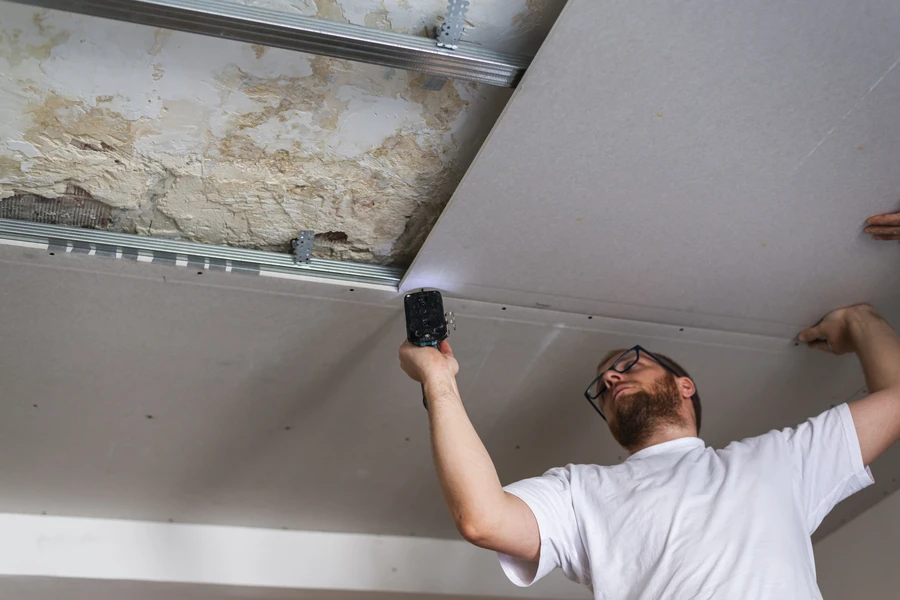
This is where the actual hanging of drywall sheets takes place. Precision is vital; ensure each sheet is flush against its neighbor to minimize gaps. Use appropriate fasteners to attach sheets securely to studs. For ceilings, consider using lifts or scaffolding for safety.
- Measure and cut sheets accurately
- Use screws rather than nails for better hold
- Stagger joints between rows of sheets
- Keep seams tight by carefully aligning edges
Taping and Mudding for Seamless Integration
The application of tape and mud creates seamless transitions between drywall sheets. Tape covers gaps while compound mud smooths over them. Apply at least three layers of mud, allowing each coat to dry thoroughly before sanding it down for a flawless finish. This step is crucial for creating walls ready for painting or wallpapering.
Sanding: the Key to a Perfect Finish
Sanding follows mudding and is essential for achieving a smooth surface free from imperfections. Use fine-grit sandpaper and employ gentle pressure to avoid damaging the drywall surface. Pay attention to corners and edges where excess mud tends to accumulate.
Final Recommendations for Post-Installation Care
After completing your drywall installation, taking care of minor details ensures longevity. Inspect walls closely for any visible defects like dents or uneven surfaces. Touch-up any problem areas with additional mud and sanding. Finally, prime your walls before painting to seal them properly and enhance paint adherence.
Your Path to Expert Assistance With Your Walls
If you’re considering professional help for your drywall needs, reach out to us at (540) 607-6854. Our team at Celin’s Quality Painting Services LLC specializes in providing high-quality wall installations tailored to meet your specific requirements. Based in Harrisonburg, VA, we are committed to ensuring your home’s walls are both functional and aesthetically pleasing. Contact us today to learn more about how our services can benefit your next project.